
Click Here To Join Our Telegram Channel for FREE daily tutorials!
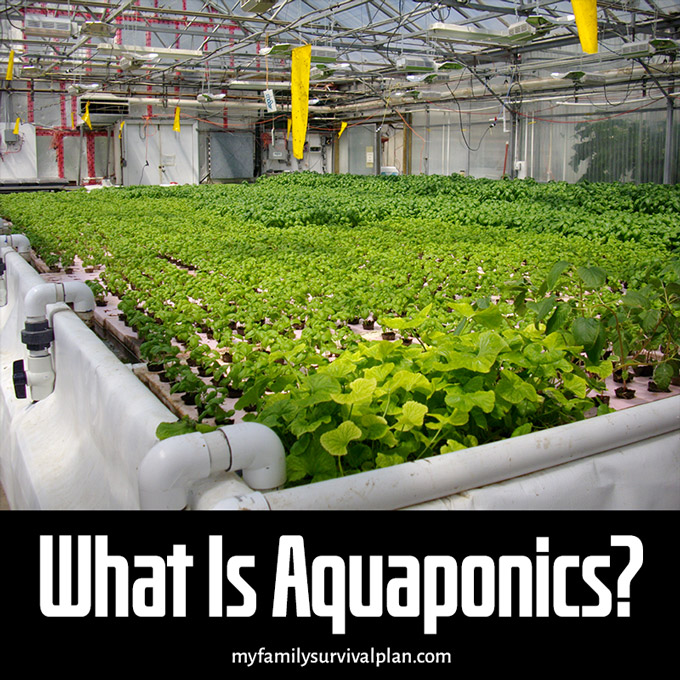
What Is Aquaponics? Photo – Wikipedia – lic. under CC 3.0
Lately, I’ve been working on a project that can make anyone self-sustained. The project is called “Backyard Liberty” and it introduces a new concept called Aquaponics (actually the concept is new to mainstream media but there are tens of thousands of people already using this concept because it’s so easy to use and the return on investment is huge).
I decided to share with you a couple of paragraphs from “Backyard Liberty” and if you want to know more please use the following URL:
Aquaponics is a combination of two different food cultivation methods.
– Hydroponics: A sustainable method of growing plants in water without soil. Instead, it utilizes mineral nutrient solutions and water.
– Aquaculture: This is essentially aqua farming. It is the practice of cultivating animals that live in water such as fish and mollusks under your control.
In a nutshell, aquaponics combines hydroponics and aquaculture into one symbiotic system consisting of plants and aquatic organisms. There is definitely some science involved in the process, but at its most basic elements, aquaponics farming is simple and the benefits are unmatched.
Just like with a typical barnyard farm, there are several different methods involved with aquaponics and different types of systems that people apply. The flexibility of creating your own farm is part of what makes this method so popular. Systems can range from small backyard setups to vast commercial systems that fill up entire rooms. You can use fresh water or salt water. You can choose different types of fish and plant life as well. The world of aquaponics leaves you with so many options that you can completely customize your system to your preference and have it be completely different from every other aquaponic farm out there. No matter what the size is, they all utilize similar methods and tools.
Another great thing about aquaponics is that it has encouraged different farmers all around the country to form large groups and associations including the Aquaponics Association. There are several internet forums for aquaponic farmers to trade ideas, and get tips. So by getting into aquaponics, you’ll be joining a large community of like-minded people who want to eat organic and aim to help the environment at the same time.
Meanwhile, try my Backyard Liberty Aquaponics.

By Admin
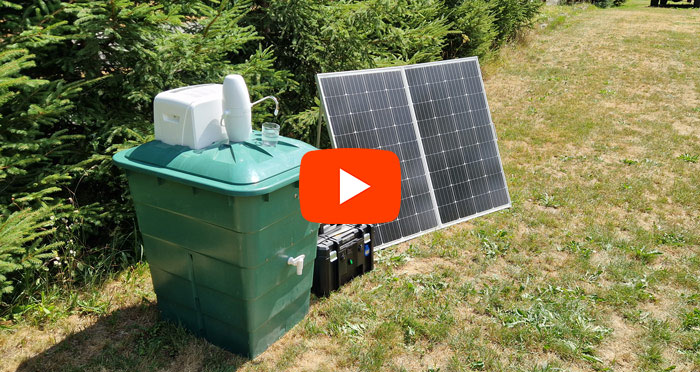
This Crazy Off Grid Device Literally Makes Drinkable Water From Fresh Air:
According to NASA, the U.S. is expecting a 100-YEAR LONG MEGADROUGHT.
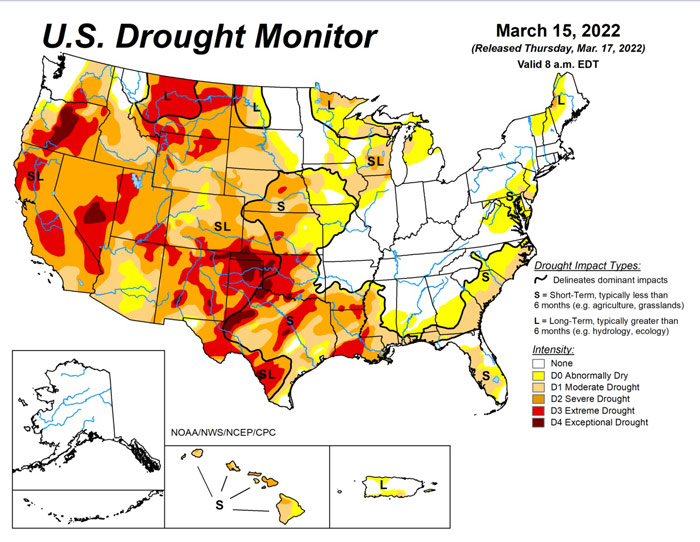
It's already begun. Ask the farmers in California. They know.
Every survivalist knows that water is of critical importance. You NEED an independent water source that you can count on!
As an interesting "survival rehearsal" - imagine that you turned the tap on right now and nothing came out. How long would you last?
But what if there was another water source literally hidden in plain sight. That's right, I'm talking about the atmosphere!
The amazing thing about getting water from the natural moisture in the air... is that it is ALWAYS available.
This gives you real water security!
Learn more about how to tap into "Nature's secret water reservoir" and stay hydrated when TSHTF!
Watch the video:
😳 What Tinnitus Does To Your Brain Cells (And How To Stop It)

After 47 years of studies and countless brain scans done on more than 2,400 tinnitus patients, scientists at the MIT Institute found that in a shocking 96% of cases, tinnitus was actually shrinking their brain cells.
As it turns out, tinnitus and brain health are strongly linked.
Even more interesting: The reason why top army officials are not deaf after decades of hearing machine guns, bombs going off and helicopter noises…
Is because they are using something called "the wire method", a simple protocol inspired by a classified surgery on deaf people from the 1950s...



I Can't Help Showing This Off:
If you haven't heard of Claude Davis yet do yourself a huge favor and watch this video.
One of the smartest guys I ever had the pleasure of meeting, Claude set-up a unique prepping system that changed his life forever.
I already tried it myself and let me tell... you I was completely blown away... His surprising tactics could make your life easier and give you the peace of mind you deserve.
Don't just take my word for it... watch his short video and decide for yourself.

Most People Don't Have The Guts To Try This:
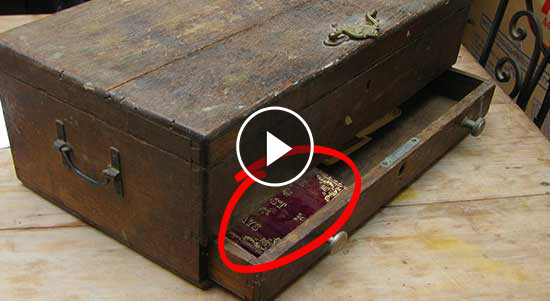
An amazing discovery in an abandoned house in Austin, Texas: A lost book of amazing survival knowledge, believed to have been long vanished to history, has been found in a dusty drawer in the house which belonged to a guy named Claude Davis.
Remember... back in those days, there was no electricity... no refrigerators... no law enforcement... and certainly no grocery store or supermarkets... Some of these exceptional skills are hundreds of years of old and they were learned the hard way by the early pioneers.
>> Click here to find out about them now
We've lost to history so much survival knowledge that we've become clueless compared to what our great grandfathers did or built on a daily basis to sustain their families.
Neighbors said that for the last couple of years Claude has tried to unearth and learn the forgotten ways of our great-grandparents and claimed to have found a secret of gargantuan proportions. A secret that he is about to reveal together with 3 old teachings that will change everything you think you know about preparedness:
>>> Click Here To Watch His Short Video <<<
More Off-Grid And Survival Resources:
What REALLY Happens When You Bury a Shipping Container? (Hint: It's A Bit Crazy...)
Shipping containers are all the rage - but if you are thinking about buying one, you MUST watch this video first:
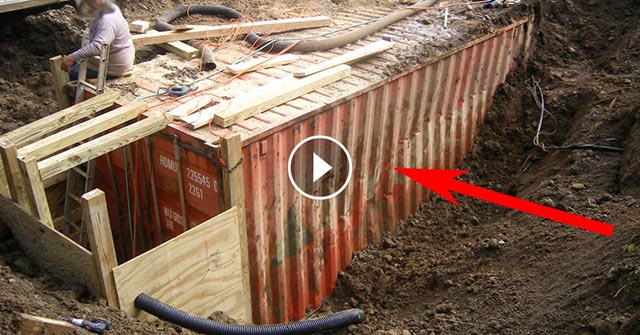
There's a general belief that if you bury a shipping container you can create an awesome root cellar / storm shelter / survival bunker.
But is a shipping container strong enough to handle the pressure?
Watch the video to see what happens:
What Really Happens When You Bury a Shipping Container? (Click To Watch Video)
Hello,
I am resourcing growing our family vegetables the aquaponic method. I will need a generator. Your link to the liberty generator does not open to workable video. Can you help please?
Try with this link: http://zen442.libertygen.hop.clickbank.net/?tid=myf You must waiting to load up to 10 seconds, it depends on your internet connection. I click on this link and it works.
I need help getting to the system once i bought the backyardliberty I actually bought it twice but had family tragdey, and couldn’t access it a couple of months later. If someone could help me I would greatly appreciate it. I know this will help.
Which one is the clickbank product that talks about family survival with firearms and food and a bunch of stuff I want to add it to my newsletter https://survivethenews.com (I can also be contacted on FB /survivethenews) thanks.
Hi, I think you mean ‘The Lost Ways’? It’s available via the ‘most people don’t have the guts to try this’ banners on this page.